
A Clinical & Biophysical Analysis of Non-Menstrual Cast Formation, Visceral Innervation, and Hydrodynamic Extrusion
Section I: Introduction & Clinical De-Pathologization
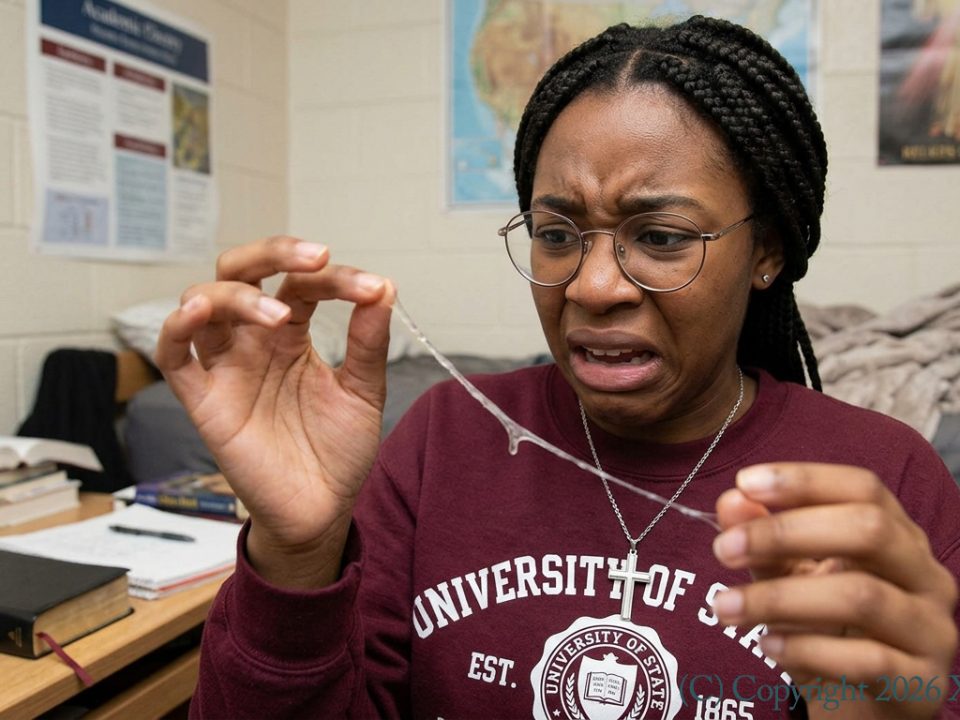
Among the wide spectrum of benign gynecological phenomena, few physiological occurrences generate as much unspoken patient anxiety, visceral disgust, and diagnostic confusion as the periodic extrusion of dense, gelatinous cervical mucin casts. Women across all demographic strata—including practicing physicians, biological scientists, and healthcare providers—frequently observe the passage of translucent, grayish, or pearlescent “jello-like” strands and fragmented casts during non-menstrual phases of their cycle. Because these structures routinely present with alarming structural integrity—often exhibiting distinct branching, thread-like tendrils, and rubbery elasticity—patients frequently misinterpret them as foreign bodies, pathological tissue sloughing, or parasitic organisms.
In clinical practice, the subjective patient narrative surrounding these events is heavily conditioned by social taboo and somatic shame. It is remarkably common for women to harbor quiet, persistent anxieties that these extruded structures represent parasitic helminthes (such as pinworms or roundworms), detached decidual tissue, or manifestations of severe internal infection. Even for female clinicians balancing demanding practices with their own reproductive health, experiencing these symptoms firsthand can trigger a frustrating dichotomy: a professional awareness that non-hemorrhagic discharge is usually benign, coupled with an instinctive, human aversion to an unfamiliar anatomical casting exiting the body. While discharge changes during the cycle, this is distinct from discharge, yet even trained medical professionals are missing the information unlocking this puzzle.

Clinical Delineation: Parasitophobia vs. Anatomical Castings
A crucial responsibility of the attending clinician is the empathetic de-pathologization of non-parasitic mucin castings. Patients routinely present with private fears of intestinal or reproductive helminthiasis (e.g., Enterobius vermicularis or Ascaris lumbricoides) upon observing thread-like, branched strands on toilet tissue or undergarments. Clinicians must definitively reassure patients that endocervical mucin casts possess no neuromuscular structures, cuticles, or motility. They represent pure biological hydrogels—structural negative casts molded directly by the mucosal architecture of the endocervical canal (the arbor vitae uteri).
The primary objective of this monograph is to bridge the gap between patient-reported somatic phenomena and the underlying biophysical mechanisms. By synthesizing endocervical microanatomy, macromolecular polymer chemistry, sacral visceral neurology, and pelvic hydrodynamics, we provide a rigorous clinical framework to explain exactly why these casts form, why their passage can evoke sharp, localized pelvic pressure followed by profound relief, and why their physical appearance is a direct testament to normal, healthy endocrine function.
Key Takeaways for Patient Counseling & Clinical Review
-
Physiological Normality: Extruded branched strands are non-pathological casts formed within the crypts of the endocervical canal.
-
Absence of Pathology: These structures are entirely devoid of parasitic, neoplastic, or necrotic origin; they are composed of MUC5B glycoprotein hydrogels.
-
Somatic Validation: The tactile perception of pressure release upon dislodgement is anatomically real, mediated by sacral stretch receptors (S2–S4) at the internal os

Section II: Macromolecular Composition and Phase Dynamics of Cervical Mucin
The structural backbone of cervical mucus is a complex, high-molecular-weight polymeric hydrogel composed primarily of the gel-forming mucin glycoprotein MUC5B, with secondary contributions from MUC5AC. These massive linear polymers consist of a protein core heavily decorated with hydrophilic O-linked oligosaccharide side chains (glycans). The terminal sugar residues—predominantly sialic acid and fucose—impart a net negative charge, enabling the mucin matrix to retain vast quantities of water (ranging from 90% in the luteal phase to over 98% during the ovulatory peak).
The physical phase shifts of cervical mucin across the menstrual cycle represent a classic study in bio-rheology under direct steroid-hormone regulation:
- The Estrogen Peak (Late Follicular / Ovulatory Phase): Elevated circulating 17β-estradiol acts upon the non-ciliated endocervical secretory cells, stimulating high-volume fluid secretion rich in electrolytes (sodium chloride) and water. Under estrogen dominance, MUC5B polymer chains organize into parallel, linear bundles with minimal inter-chain cross-linking. This creates a low-viscosity, highly elastic hydrogel possessing high Spinnbarkeit (extensibility), forming microscopic, low-resistance swimming channels optimized for rheotactic sperm transit.
- Progesterone Dominance (Luteal Phase & Non-Ovulatory Windows): Following ovulation, progesterone secreted by the corpus luteum radically alters the mucin architecture. Progesterone downregulates fluid and electrolyte transport while promoting dense covalent disulfide bonding and non-covalent hydrophobic interactions between adjacent MUC5B monomers. The linear chains cross-link into a highly entangled, three-dimensional mesh network with small pore sizes (<1–2 μm). This dense hydrogel matrix acts as an impenetrable barrier, effectively sealing the endocervical lumen to prevent upper genital tract colonization by ascending microflora.
Biophysical Phenomenon: Light Scattering & The Tyndall Effect
Patients and clinicians frequently inquire why extruded mucin strands appear translucent, pearlescent, or grayish rather than perfectly transparent like pure water. This visual phenomenon is explained by colloidal physics. The densely cross-linked MUC5B protein network forms a hydrogel lattice with refractive indices that differ slightly from the surrounding aqueous phase. When ambient light passes through this heterogeneous gel matrix, it undergoes elastic scattering (the Tyndall effect). In regions of high polymer density or trapped cellular debris, light scattering is amplified, yielding a cloudy, pearlescent, or slate-gray hue. Where the strand is stretched thin, light transmission increases, creating a translucent appearance.
In addition to the glycoprotein scaffold, the extruded mucin matrix traps a heterogeneous suspension of cellular elements, including desquamated endocervical epithelial cells, transient leukocytes (predominantly neutrophils exercising immune surveillance), and antimicrobial peptides (such as lysozyme, lactoferrin, and secretory IgA). This cellular entrapment further enhances the physical firmness and cohesive shear-resistance of the gel, allowing intact casts to maintain their structural integrity as they dislodge from the cervical crypts and navigate the vaginal vault.
Section Summary: Macromolecular Principles
-
Structural Polymer: MUC5B glycoprotein polymers form the fundamental hydrogel backbone.
-
Estrogenic Phase: Parallel chain alignment → high hydration → high Spinnbarkeit elasticity.
-
Progestogenic Phase: 3D cross-linked mesh → low hydration → dense, sticky barrier gel.
-
Optical Grayness: Caused by Tyndall light scattering across the polymer-cellular lattice.
Section III: Endocervical Microanatomy & Cast Morphology
To understand why extruded mucin strands exhibit such strikingly precise geometric shapes—often resembling delicate, branching trees or feather-like tendrils—one must examine the structural microanatomy of the endocervical canal. The endocervix is a fusiform cylindrical lumen approximately 2.5 to 3.0 cm in length, lined by a single layer of columnar epithelium. Rather than a smooth conduit, its mucosal lining is organized into prominent longitudinal ridges (the anterior and posterior palmate folds) from which lateral mucosal folds radiate at acute angles. Anatomically designated as the arbor vitae uteri (“tree of life of the uterus”), this complex surface architecture creates deep, branching invaginations known as endocervical crypts.
When secretory columnar cells manufacture and discharge high-viscosity MUC5B hydrogels into these crypts during non-ovulatory windows, the gel acts as a physical liquid-casting agent. It fills the main longitudinal channel and creeps into the secondary lateral crypt alcoves. As local disulfide cross-linking cures the hydrogel in situ, the resulting mass forms a three-dimensional negative mold of the endocervical mucosa. When this gel mass detaches as a single unit, it retains the central trunk and delicate lateral offshoots, producing the distinct “branched” or “molded” morphology that so frequently startles patients.
Dimensional Scale & Shear Rheology
A striking aspect of endocervical casts is the discrepancy between their longitudinal length and cross-sectional diameter. The core trunk of an extruded strand typically measures between 0.5 to 3.0 mm in diameter (roughly the thickness of surgical suture material to a thin elastic band), while secondary lateral branches taper to sub-millimeter scales (0.2 to 0.8 mm). However, overall lengths routinely reach 2.5 to 7.5 cm (1 to 3 inches) for localized fragments, and up to 10 to 15 cm (4 to 6 inches) for full plug casts with trailing tails. This dramatic aspect ratio is driven by longitudinal shear elongation: as the gel slides through the narrowing internal and external os, hydraulic shear forces stretch the highly elastic MUC5B polymer network along its longitudinal axis, thinning its diameter while extending its length.
Not all women observe long, intact, tree-like strands; many pass small, discrete, “crumbly” or gel-like bits resembling rice grains or tiny beads. This morphological divergence is dictated by three primary physiological variables:
- Steroid Hormone Ratio: High estrogen fosters continuous polymer chains with high tensile elasticity, favoring the formation of long, unbroken strands. Conversely, high progesterone promotes short-chain entanglement with lower shear tolerance, predisposing the cast to fracture into small fragments upon movement.
- Epithelial Desquamation Rate: High cellular turnover incorporates dense populations of exfoliated epithelial cells into the mucin matrix. This cellular debris weakens the cohesive intermolecular hydrogel bonds, causing the casting to crumble into tiny bits during transit.
- Vaginal Vault Mechanical Transit: Friction against opposing vaginal walls and cyclic contractions of the levator ani muscle group frequently chop or tear delicate casts into localized gel fragments before they reach the vaginal introitus.
Section Summary: Microanatomical Cast Principles
-
In-Situ Molding: The arbor vitae uteri acts as a physical mold, imparting a branched, tree-like structure to cured mucin.
-
Dimensional Scaling: Ultra-narrow diameters (0.5–3.0 mm) are elongated longitudinally by os shear forces during extrusion.
-
Fragmented vs. Intact Casts: Dictated by local estrogen/progesterone ratios, cellular desquamation load, and vaginal vault friction.
Section IV: Neuro-Visceral Mechanics & The Physiology of Pressure Relief
A striking clinical detail frequently described by women passing endocervical mucin casts is a distinct sense of localized pelvic ache, focal pressure, or deep “tweak” prior to extrusion, followed instantly by a dramatic wave of physical relief upon dislodgement. To clinicians unfamiliar with the neuro-visceral dynamics of the internal os, it may seem paradoxical that a soft, thin hydrogel strand (often measuring merely 1 to 2 mm in diameter) could evoke such localized discomfort. However, this somatic perception is rooted directly in the specialized sensory innervation and fluid dynamics of the endocervical lumen.
The endocervix exhibits a marked sensory gradient along its longitudinal axis:
- Somatic vs. Visceral Sensation: While the vaginal portion of the cervix (ectocervix) has sparse somatic sensory fibers, the internal os and upper endocervical canal are densely wired with visceral sensory afferents. These afferent nerve fibers travel alongside sympathetic and parasympathetic trunks through the inferior hypogastric plexus and enter the spinal cord via the sacral nerve roots (S2–S4).
- High-Density Stretch Receptors: These sacral visceral fibers do not register absolute mass or sharpness; rather, they are exquisite mechanoreceptors and stretch receptors. They respond directly to radial wall distortion and intracanal shear stress. When a dense, cross-linked MUC5B gel plug becomes wedged inside a narrow 1.0–2.0 mm canal, it exerts continuous lateral pressure against the mucosal walls. To the sacral spinal cord, this radial wall stretching registers as a deep, poorly localized, visceral pelvic pressure or dull ache.
Hydrodynamics: The “Cork in the Bottle” Effect
In addition to direct mechanical stretching of the internal os, an intact endocervical mucin plug functions as a temporary hydrostatic valve. The continuous secretion of lower-viscosity fluid higher up in the uterine cavity and upper endocervical canal creates a micro-hydrostatic pressure head behind the occlusive gel barrier. This subtle pressure buildup exerts outward tension on the lower uterine segment. The moment the gel plug breaks its adhesion to the crypt walls and slides downward, this micro-hydrostatic pressure drops instantaneously to ambient levels. This sudden pressure release is perceived by the patient as an immediate, palpable relief of pelvic tension.
Furthermore, the physical dislodgement of the cast halts a secondary neuromuscular reflex loop. When the endocervical stretch receptors are continuously stimulated by a wedged gel plug, they trigger localized micro-contractions of the cervical smooth muscle (uterine lower segment) as well as protective hypertonicity in the surrounding levator ani muscle complex. Once the gel exits into the roomier vaginal vault, those stretch receptors cease firing. The pelvic floor muscles immediately drop their protective guard, and the local smooth muscle spasms subside, generating the intense sense of relief women report.
Section Summary: Neuro-Visceral Principles
-
Visceral Innervation (S2–S4): Internal os mechanoreceptors register wall stretch rather than gel mass.
-
Hydrostatic Relief: Dislodging the occlusive plug instantly collapses the micro-hydrostatic pressure buildup.
-
Neuromuscular Reflexes: Cast extrusion terminates secondary cervical smooth muscle micro-spasms and levator ani guarding.
Section V: Mechanics of Micturition-Induced Extrusion
A highly consistent observation reported by patients is that endocervical mucin casts and gel fragments are disproportionately passed while seated on the toilet during urination. Patients frequently misinterpret this spatial concurrence, harboring confusion about whether the material originated from the urinary tract (urethra) or the genital tract (vagina). From an anatomical standpoint, the urinary and reproductive tracts remain completely separate above the vulvar vestibule; however, the physiological act of micturition creates an optimal biomechanical environment for vaginal cast evacuation.
This micturition-induced extrusion is governed by three synchronized mechanical vectors:
- Reflexive Pelvic Floor Somatomotor Relaxation: Normal bladder evacuation requires the complete inhibition of pelvic floor muscle tone. To allow the bladder neck and external urethral sphincter to open, the central nervous system coordinates a total somatic relaxation of the pubococcygeus, puborectalis, and broader levator ani muscle complex. Because these muscle groups form the muscular sling supporting the lateral walls of the lower two-thirds of the vagina, their sudden relaxation removes the baseline structural compression that keeps the anterior and posterior vaginal walls collapsed against one another. The vaginal canal expands slightly, eliminating the frictional resistance that holds a loose mucin strand in place.
- Elevated Intra-Abdominal Hydraulic Pressure: Even in the absence of active, voluntary straining (the Valsalva maneuver), assuming the seated or squatted micturition posture naturally increases intra-abdominal pressure. This downward pressure vector acts directly upon the fundus and body of the uterus. The uterus functions as a mechanical piston, translating this downward hydrostatic force through the endocervical canal and pushing dislodged mucin plugs out into the relaxed vaginal vault.
Hydrodynamic Fluid Shear at the Vulvar Vestibule
The final stage of passage involves local hydrodynamic fluid shear. As the urine stream exits the urethral meatus at high velocity, it flows downward across the mucosal surfaces of the vulvar vestibule and the vaginal introitus. This moving fluid layer creates localized surface tension and fluid drag (shear force) across the distal tip of any protruding gel strand resting near the vaginal opening. This hydraulic drag pulls the cohesive gel strand away from the vaginal mucosa, completing its detachment effortlessly into the toilet bowl.
Clinicians can decisively reassure patients that seeing these strands during micturition is a healthy demonstration of normal pelvic floor muscle dynamics and hydrodynamic clearance, rather than evidence of urinary tract pathology, micro-fistulae, or urethral discharge.
Section Summary: Micturition Extrusion Mechanics
-
Anatomical Independence: Casts originate strictly from the cervix/vagina, never the urinary tract.
-
Pelvic Floor Release: Reflexive levator ani relaxation opens the vaginal canal and removes structural friction.
-
Pressure & Shear Vectors: Intra-abdominal piston pressure combined with urethral fluid drag facilitates effortless detachment.
Section VI: Clinical Delineation: Physiological Secretion vs. Dehydration
A widespread clinical misconception among patients—and occasionally within general health messaging—is that passing thick, rubbery, or highly viscous cervical mucin casts is a direct somatic indicator of chronic systemic dehydration. Patients often express concern that an under-hydrated state “dries out” vaginal secretions, consolidating them into rubbery gel strands. From a renal and endocrine standpoint, this etiology misinterprets the primary regulatory pathways governing mucin synthesis and fluid transport across the endocervical epithelium.
The biophysical properties of cervical hydrogels are governed almost exclusively by local steroid hormone receptor pathways rather than systemic fluid intake:
- Endocrine Primacy Over Fluid Balance: The condensation of MUC5B polymers into a dense, viscous cross-linked hydrogel is a deliberate physiological function driven by progesterone dominance. Progesterone downregulates local epithelial aquaporin channels and ion transporters (such as CFTR), intentionally limiting water movement into the cervical lumen to create a firm bacterial barrier. While extreme systemic dehydration will reduce total plasma volume and overall glandular output, it does not selectively alter the macromolecular cross-linking profile of MUC5B.
- Diagnostic Markers of True Dehydration: Systemic fluid deficit manifests through renal, cardiovascular, and metabolic indices—most notably elevated urine specific gravity, concentrated urinary chromogens (dark amber urine), reduced salivary flow, tachycardia, and loss of skin turgor. Passing structural mucin strands in the presence of clear or pale-yellow urine is definitive proof that systemic hydration is adequate, and that the mucin structure is purely a reflection of local hormonal signaling.
Differential Clinical Diagnostic Matrix
To assist attending clinicians in distinguishing benign, non-pathological cervical mucin casts from true gynecological pathology or infection, the following physical criteria should be evaluated during patient intake:
-
Normal Mucin Casts: Odorless, translucent to pearlescent/gray, rubbery or gelatinous elasticity, cohesive strand or bit structure, absence of vulvovaginal erythema or pruritus.
-
Bacterial Vaginosis (BV): Homogeneous, thin, off-white/gray discharge, distinct “fishy” amine odor (positive KOH whiff test), elevated vaginal pH (>4.5), absence of rubbery mucin strands.
-
Vulvovaginal Candidiasis: Thick, “cottage cheese-like” clumped discharge, non-elastic, friable consistency, intense vulvovaginal pruritus, burning, and mucosal erythema.
-
Cervicitis / STIs (e.g., Chlamydia trachomatis, Neisseria gonorrhoeae): Mucopurulent yellow/green endocervical exudate, fragile cervical mucosa prone to contact bleeding (friability), elevated leukocyte counts on wet mount.
By providing clear physiological education, clinicians can reassure patients that passing firm, sticky, or branched mucin casts is an indicator of healthy endocervical architecture and responsive hormone signaling, rather than a sign of systemic dehydration or underlying illness.
Section Summary: Clinical Delineation
-
Hormonal Regulation: Viscosity is governed by progesterone signaling, not systemic hydration status.
-
Systemic Independence: Passing gelatinous casts alongside normal urine concentration confirms adequate systemic fluid balance.
-
Differential Diagnostics: Normal casts are odorless, elastic, and non-erythematous, distinguishing them from BV, Candidiasis, and infectious cervicitis.

Section VII: The Physiology of Pre-Menarcheal Mucin Production
The phenomenon of thick, elastic discharge in young females aged 9 to 12 is directly tied to the gradual awakening of the reproductive axis, known as the hypothalamic-pituitary-ovarian (HPO) axis:
- Pulsatile Estrogen Activation: Months to years before menarche (the first menstrual cycle), the maturing ovaries begin releasing low, intermittent pulses of 17β-estradiol. While these early estrogen levels are not yet robust or sustained enough to build up and shed the uterine lining (menstruation), they are more than sufficient to wake up the hormone-sensitive cells lining the cervical canal and vagina.
- Initiation of MUC5B Synthesis: Upon receiving these initial estrogen signals, the columnar secretory cells within the endocervical crypts begin producing high-molecular-weight MUC5B glycoproteins. In young girls, the cervical canal is anatomical narrow, and because early hormone levels naturally fluctuate, this freshly secreted hydrogel often condenses into cohesive, elastic strands or small gel fragments rather than a steady liquid flow.
- Establishment of the Natural Defense Barrier: This early mucin production plays a critical protective role. Estrogen causes glycogen to deposit in the vaginal walls, providing nutrients for beneficial Lactobacillus bacteria. These bacteria produce lactic acid, establishing a healthy, acidic vaginal pH (3.8–4.5). Together, the acidic environment and the sticky mucin hydrogel form a natural physical and biochemical shield designed to keep external bacteria out of the developing reproductive tract.
Section VIII: Reassuring Young Females: Why This Is Completely Normal
Experiencing gelatinous undergarment discharge prior to ever having a period can be disorienting for young girls if it has not been openly discussed. Reassurance relies on understanding three core facts:
- Sign of Healthy Maturation: Finding clear, white, or pale-gray “snot-like” gel in undergarments is definitive proof that the body’s endocrine system is developing exactly on schedule. It indicates that the cervical glands are healthy, active, and functioning precisely as nature intended. Growing up, the girls called these “snot clots.” In reality, they’re neither nasal mucus or a blood clot.
- An Internal Cleaning System: The cervix and vagina are self-cleaning organs. Gelatinous discharge is simply the mechanism by which the body continuously clears out cellular debris and maintains a sterile internal environment long before active menstrual cycles begin.
- Absence of Disease: So long as the discharge is odorless, clear to pearlescent/white, and accompanied by no itching, burning, or discomfort, it is a purely non-pathological biological hydrogel—not an infection, an injury, or a sign of urinary incontinence.
Normalizing these early bodily processes empowers young girls with anatomical literacy, transforming a source of potential confusion or shame into a recognized marker of healthy physical growth.
Section IX: Diagnostic Independence from Sexual Activity and Abuse
A critically important clinical and social safeguard in pediatric and adolescent gynecology is the absolute separation of endogenous, physiological mucin discharge from indicators of sexual activity, sexual contact, or sexual abuse. Because societal taboos frequently link any vaginal discharge to sexual activity, pre-pubertal girls, parents, and non-specialized caregivers may incorrectly jump to catastrophic conclusions when elastic or gelatinous secretions are first observed in undergarments.
From a diagnostic, physiological, and forensic standpoint, physiological mucin extrusion is strictly independent of sexual trauma or exposure:
- Pure Endogenous Autonomy: The secretion and casting of MUC5B hydrogels is an internal, hormone-driven process governed entirely by endogenous ovarian estrogen pulses acting on the endocervical architecture. It occurs spontaneously without external mechanical, physical, or sexual stimulation.
- Absence of Foreign Material or Trauma: Physiological mucin casts consist purely of self-produced glycoproteins, epithelial cells, and healthy fluid. They contain no seminal fluid, spermatozoa, or external contaminants. Furthermore, they are produced without any injury, abrasion, or tissue tears to the hymeneal ring, vaginal mucosa, or vulvar region.
- Distinction from Infectious Exudates: Unlike sexually transmitted infections (STIs) such as Trichomonas vaginalis, Chlamydia trachomatis, or Neisseria gonorrhoeae—which cause purulent, foul-odored, or irritating discharge accompanied by mucosal inflammation—normal mucin casts are completely non-inflammatory, odorless, non-pruritic, and self-limiting.
Clinical Guidance for Caregivers and Educators
Healthcare providers, school nurses, and parents must explicitly emphasize that finding “snot-like” gel strands in a child’s or pre-teen’s undergarments is never a sign of sexual exposure, secret sexual activity, or abuse. It is an unprompted, internal biological cleaning and protective event. Treating this natural occurrence with suspicion can inflict deep somatic shame and anxiety on a developing youth. Clear, reassuring communication protects both the emotional well-being and bodily autonomy of young females.
Postscript II Summary: Diagnostic Autonomy
-
Endogenous Origin: Driven entirely by internal ovarian hormones, independent of any external physical or sexual stimulation.
-
Zero Relation to Abuse: Gelatinous mucin is a normal developmental milestone, containing no trauma markers or foreign material.
-
Clear Clinical Distinction: Odorless, non-inflammatory casts are easily distinguished from STI-related purulent exudates.

Section IX: The Gap in Reproductive Health Literacy
Most women are taught to expect cervical discharge to manifest as a liquid, a light paste, or a slippery, egg-white fluid. When cervical mucin instead sheds as a discrete, semi-solid, three-dimensional structural cast, it completely breaks their conceptual framework of what normal bodily secretions look like. Standard health education rarely illustrates these specific physical forms, leaving a significant gap in everyday medical knowledge.
Why Mucin Casts Cause Unnecessary Alarm
Because standard educational resources rarely address these physical structures, several key misconceptions regularly take hold:
- Fluid vs. Structural Expectations: Most people expect mucosal secretions to lose their shape immediately. Mucin hydrogels (primarily MUC5B) can maintain high structural integrity, forming defined, elastic strands rather than dissolving into a fluid mass.
- Anatomical Mold Misinterpretation: Because the mucin strands are molded inside the narrow endocervical canal, they take on linear and branched shapes (arbor vitae uteri negative casts). Without knowing this anatomical context, the branching patterns naturally lead people to suspect living organisms, parasites, or shedding tissue.
- The “Clear Discharge” Assumption: Many assume that clear or greyish-white discharge must be uniform. Seeing defined, rubbery, string-like hydrogels creates an immediate visual disconnect, leading to fears of fungal hyphae or abnormal growths.
Normalizing these visual variations—and explicitly distinguishing a fluid texture from a molded hydrogel cast—is essentially the missing link in basic reproductive health education.

Section X: When to Expect Mucin Casts
Women are most likely to observe these intact, elastic mucin strands during specific window periods in their menstrual cycle when estrogen levels peak:
- Late Follicular Phase (Days 10–13 of a standard 28-day cycle): In the days immediately leading up to ovulation, soaring estrogen levels trigger the endocervical glands to produce their highest volume of mucin hydrogel.
- Ovulation / Peak Day (Around Day 14): At the absolute peak of estrogen right before the luteinizing hormone (LH) surge, the hydrogel becomes most abundant, highly hydrated, and elastic.
What Is Happening Biologically
During this pre-ovulatory phase, two main biological processes align to create these distinct shapes:
- Hydrogel Hydration (Spinnbarkeit): High estrogen levels recruit massive amounts of water into the mucin protein network (primarily MUC5B). This turns the secretions from a dry or sticky paste into a plump, stretchy, highly organized hydrogel intended to help sperm travel into the uterus.
- Physical Casting of the Canal: The interior of the endocervical canal features tiny branching grooves and folds called the arbor vitae uteri (tree of life). As the thick, highly cohesive hydrogel builds up within this narrow space and then slips out intact—often during a bowel movement or urination due to mild abdominal pressure—it retains the 3D shape of the canal like a negative mold.
Immediately following ovulation, progesterone rises and rapidly shuts down this clear hydrogel production, causing any remaining discharge to dry up, thicken, or turn tacky.
The shedding and detachment of cervical mucin casts or cohesive strands throughout a non-pregnant menstrual cycle is not steady. Instead, it follows a distinct biophysical pattern driven directly by the fluctuation of estrogen and progesterone.
Under high estrogen, mucin is hydrated and continuously flows out as liquid or stretchable mucus. As progesterone rises and then sharply drops, the mucin matrix condenses, cross-links into a solid gel structure, and eventually detaches when the structural anchor at the endocervical canal breaks down.
Cycle Phase Detachment Timeline (28-Day Model)
| Cycle Phase | Days | Dominant Hormone | Biophysical Mucin State | Detachment & Extrusion Likelihood |
|---|---|---|---|---|
| Follicular Phase | Days 6–10 | Rising Estrogen | High hydration, low viscosity | Very Low (Fluid discharge, continuous clearance) |
| Ovulatory Window | Days 11–15 | Peak Estrogen | Highly elastic, aligned channels | Very Low (Peak fluid flow; no cast formation) |
| Early Luteal Phase | Days 16–21 | High Progesterone | Dense, sticky gel matrix forms | Low (Mucin actively accumulates and cross-links) |
| Late Luteal Phase | Days 22–26 | Declining Progesterone | Dehydrated, cohesive gel plug | Moderate (Matrix begins structural degradation) |
| Premenstrual Window | Days 27–28 | Progesterone Crash | Complete detachment of intact cast | PEAK / HIGH (Hydrodynamic extrusion prior to menses) |
Key Detachment Dynamics
- The Premenstrual Peak: The highest probability of extruding an intact, cohesive mucin cast or “string” occurs in the 24 to 48 hours immediately preceding menstruation. The sudden drop in progesterone causes the endocervical crypts to stop producing new dense gel, while mild uterine micro-contractions provide the hydrodynamic force needed to push the accumulated cast out.
- Secondary Post-Menses Clearance: A minor secondary detachment window can occur around Days 4–6 as the remaining luteal-phase mucin remnants get swept out along with late menstrual flow.
Section XII: Why Mucin Casts Can Cause Local Tissue Irritation
While endocervical mucin casts are biologically normal and benign, their presence can occasionally lead to mild, localized physical irritation for a few key reasons:
- Mechanical Friction: Because these high-density MUC5B hydrogel polymers retain structural integrity and a rubbery texture, they create physical friction against delicate mucosal linings as they pass through the endocervical canal or sit briefly in the vaginal vault.
- Transient pH Disruption: As the hydrogel cast sheds from the cervix, it carries localized cervical secretions. The native pH of cervical mucus (typically around 7.0–8.5) is higher than the surrounding acidic environment of the healthy vagina (3.8–4.5). This temporary shift in pH near the vaginal wall or vulva can trigger mild itching, tingling, or surface sensitivity.
- Trapped Moisture and Debris: When a dense, water-rich hydrogel cast remains in contact with the external vulvar skin or tissue before being wiped away, the trapped moisture can cause temporary skin maceration or minor contact irritation.
- Involuntary Muscular Spasms: As the cervix dilates slightly to pass a particularly large or dense 3D cast, it can stimulate mild uterine micro-cramping or pelvic discomfort, which is sometimes perceived as internal soreness or irritation.
- Debris Trapped in Mucin: The mucin strands are extrmely sticky, and any dirt or debris that enters the vagina may end uo exiting, stuck to a mucin structure that is being expelled. This attached foreign matter may be irritating, in and of itself, contributing its own irritation.
The Passive Trapping & Transport Dynamics of Cervical Mucin
While cervical mucin plays a crucial role in maintaining reproductive tract hygiene, it functions as a passive physical trap rather than an active mechanical broom.
Because the mucin matrix is composed of dense, cross-linked glycoprotein networks, its highly adhesive surface naturally binds microscopic particles, sloughed cellular debris, and foreign material on contact. The lower vaginal tract lacks ciliated epithelium to actively sweep this material upward or downward; instead, clearance relies on continuous fluid dynamics.
As baseline vaginal transudate and physiological secretions flow outward under gravity, trapped debris bundled within the sticky mucin matrix is passively transported out of the body. In this way, mucin serves as a selective biological filter and adhesive trap that aggregates waste, allowing normal fluid turnover to clear it efficiently.
Section XIII: Connection Between Mucin Casts and Round Ligament Pain
While endocervical mucin casts and round ligament pain stem from different anatomical structures, they frequently occur at the exact same point in a woman’s cycle due to shared hormonal triggers:
- Estrogen Peaks Trigger Both: High estrogen levels around ovulation (or early pregnancy) cause maximum mucin hydrogel production in the cervix while simultaneously increasing blood flow and pelvic congestion. This hormonal surge causes the ligaments supporting the uterus to soften, stretch, and become far more sensitive to movement.
- Reflex Uterine Micro-Contractions: As the cervix dilates slightly to expel a dense, 3D mucin cast, it can trigger mild uterine spasms or micro-cramps. Because the round ligaments directly anchor the top of the uterus to the groin, these small uterine contractions pull on the taut, sensitized ligaments, causing sharp, quick twinges in the lower abdomen or hip area.
- Increased Abdominal Pressure: Passing a cohesive mucin cast often happens during urination or a bowel movement when abdominal pressure increases (bearing down). That same sudden pressure creates physical tension on the round ligaments, triggering a brief, sharp “stitch” in the side or lower pelvis.
Section XIV: Direct Anatomical Connection to the Cervix
While Section XII explains a connection between Round Ligament pain and experiencing mucin casts flowing out of the body that is diffuse, here we present a more specific connection.
The round ligaments originate at the uterine horns, traverse the broad ligament and the inguinal canal, and terminate in the tissue of the mons pubis and labia majora. Because these ligaments physically anchor the body of the uterus to the anterior pelvic wall, any mechanical pulling, stretching, or muscular effort by the cervix to pass a cohesive mucin cast creates direct tensile strain along this continuous structural line. Until the cast fully exits the vaginal canal, the cervix and lower uterine segment remain in a heightened state of mechanical engagement, keeping the round ligaments under sustained tension.
Prolonged Vaginal Vault Engagement
Before a dense MUC5B mucin string is completely expelled, it often rests temporarily within the vaginal vault, where it can continue to stimulate local nerve pathways. The upper portion of the vagina and the cervix share sensory innervation via the uterovaginal plexus and pelvic splanchnic nerves. As long as the elastic strand remains partially lodged or suspended in the vaginal canal, it triggers low-grade, reflexive smooth-muscle contractions along the vaginal wall and lower uterine segment. These continuous micro-spasms keep the supporting round ligaments taut and reactive, causing persistent, localized “stitch-like” twinges in the lower abdomen or groin until the physical object is completely wiped away or passed.
Section XV: How Orgasm Helps Expel Mucin Casts
An orgasm can significantly aid in releasing trapped or lingering endocervical mucin strings from the reproductive tract. During sexual climax, the body undergoes a series of natural physiological reactions that facilitate this process:
- Rhythmic Uterine and Vaginal Contractions: Climax triggers involuntary, rhythmic smooth-muscle contractions throughout the uterus, cervix, and vaginal walls. These forceful, coordinated contractions act as a physical mechanism, effectively squeezing and pushing any dense MUC5B hydrogel casts out of the cervical canal and down through the vaginal vault.
- Cervical Dilation and Muscle Relaxation: Following the peak contractions of an orgasm, the smooth muscle surrounding the cervix undergoes a period of sudden relaxation. This temporary slackening of the cervical os allows any trapped structural casts to slide out far more easily with less resistance.
- Increased Secretions and Lubrication: Arousal and climax stimulate high blood flow to the pelvic region (pelvic hyperemia) and trigger a surge of fluid production from the Bartholin’s and Skene’s glands, as well as increased transudate across the vaginal walls. This extra fluid acts as a natural lubricant, flushing out the vaginal canal and helping heavy or sticky mucin strands glide out completely.
By clearing out the physical obstruction through these natural muscular movements and fluid surges, orgasmic contractions can also rapidly relieve the temporary tension placed on the supporting round ligaments.
Section XVI: The Hormonal Axis: Estrogen, Serotonin, and Thermoregulation
When a woman expels dense cervical mucin strings (casts), it almost always corresponds with the ovulatory estrogen peak (late follicular phase). Estrogen is not just a reproductive hormone; it actively modulates central neurotransmitters in the brain, particularly serotonin and norepinephrine.
1. Estrogen-Induced Serotonin Elevation
During the pre-ovulatory window, soaring estrogen levels enhance central serotonergic activity through multiple pathways:
- Upregulation of Serotonin Synthesis: Estrogen increases the activity of tryptophan hydroxylase, the primary enzyme responsible for synthesizing serotonin.
- Downregulation of Reuptake & Breakdown: Estrogen decreases the expression of the serotonin transporter (SERT) and monoamine oxidase (MAO-A), which prevents serotonin breakdown and keeps synaptic serotonin levels high.
Resulting Symptoms: Higher central serotonin activity around ovulation often presents as elevated mood, increased energy, sensory hyper-awareness, heightened libido, or occasionally mild restlessness and sleep architecture changes.
2. Thermoregulation and the “Ovulatory Flush” or Low-Grade Fever
Serotonin and estrogen act directly on the preoptic area of the hypothalamus—the body’s internal thermostat. The confluence of high estrogen, elevated serotonin, and the immediate pre-ovulatory surge of Luteinizing Hormone (LH) / rising Progesterone creates distinct thermoregulatory effects:
- Narrowing of the Thermoneutral Zone: High estrogen/serotonin dynamics increase central sensitivity to core temperature shifts. This can trigger transient vasomotor flushing, sudden heat sensations, or feeling feverish (“hot flashes” of the ovulatory peak).
- Basal Body Temperature Shift: Immediately following the release of the mucin cast (at ovulation), progesterone begins to rise. Progesterone acts as a central pyrogenic agent, raising core basal body temperature by 0.5–1.0∘F (0.3–0.6∘C). Women tracking their physical cues may perceive this shift as mild feverishness or chills.
- Prostaglandin Release (“Period / Ovulation Flu”): The follicular rupture and passage of dense tissue/casts can stimulate local tissue prostaglandins (PGF2α and PGE2). When absorbed systemically, prostaglandins act on the hypothalamus to elevate body temperature and cause minor muscle aches or flu-like feelings.
3. Clinical Caveat: Normal Variation vs. Infection
| Cause | Characteristics | Associated Signs |
|---|---|---|
| Physiological Ovulatory Shift | Temp increase <1.0∘F; transient flushing; feeling warm | Clear/grey elastic MUC5B casts; high energy/libido; no malodor |
| True Pathological Fever | Oral temp >100.4∘F (38∘C); persistent chills/rigors | Severe pelvic pain; foul-smelling, green/yellow purulent discharge; systemic malaise |
Note: If a fever exceeds 100.4∘F (38∘C) or is accompanied by severe abdominal tenderness, foul odor, or nausea, it is critical to evaluate for pelvic inflammatory disease (PID), endometritis, or systemic infection rather than benign ovulatory discharge.
Section XVII: Prostaglandin Release and “Ovulatory Flu”
The physical process of shedding a dense mucin cast from the cervical canal, along with the simultaneous rupture of the ovarian follicle during ovulation, triggers a localized release of inflammatory signaling molecules called prostaglandins (specifically PGF2α and PGE2). When these prostaglandins are absorbed into the bloodstream, they act directly on the brain’s thermoregulatory center to temporarily elevate core body temperature and cause minor systemic effects, such as mild muscle aches, fatigue, or a feeling of low-grade fever.
Section XVIII: Self-Massage Techniques for Round Ligament Strain
Gentle self-massage can help relieve the tension placed on the round ligaments during ovulatory changes or the passage of cervical mucin casts. Because these ligaments run from the upper corners of the uterus down through the groin into the labia majora, gentle traction along this pathway can ease acute twinges:
- Locating the Pathway: Place your fingertips about two inches below your belly button and three inches to either side, angling down toward the pubic bone and inner groin.
- Gentle Downward Stroking: Using light-to-medium pressure with flat fingertips, use long, downward sweeping motions following the natural diagonal path toward the pubic bone.
- Targeted Point Release: If you feel a tender “stitch” or tight band, hold gentle, stationary pressure on the spot for 20 to 30 seconds while taking slow, deep abdominal breaths to allow the surrounding myofascial tissue to soften.
- Positioning: Perform self-massage while lying flat on your back with your knees bent and feet flat on the surface, which relaxes the abdominal wall and removes passive strain from the pelvic ligaments.
Section XIX: Working with a Qualified Licensed Massage Therapist (LMT)
For persistent or recurring pelvic discomfort, including persistent Round Ligament pain, seeing a Licensed Massage Therapist trained in specialized pelvic floor structures, with a prenatal/postpartum specialization offers targeted, safe relief. The therapy may be known as Round Ligament Massage or even PMS Massage because this is often experienced pre-menstraully in non-pregnant females.
- External Myofascial Release: A qualified therapist does not need to perform internal work to relieve round ligament pain; instead, they utilize specialized external release techniques focusing on the lower abdominal wall, broad ligament attachments, and the inguinal canal.
- Balancing Surrounding Muscle Groups: Round ligament strain is often exacerbated by tight hip flexors (psoas and iliacus), low back muscles, and adductors. A specialized LMT assesses and releases these complementary structures to reduce overall mechanical pull on the uterus.
- Finding the Right Professional: Look for therapists credentialed in Pelvic Floor Massage Therapy (Not the same as Pelvic Floor PT), Prenantal Massage and/or Postnatal Massage. They possess specific anatomical training to work around pelvic vascular structures safely without applying excessive pressure.
Section XX: Well-Established Biological Science
The structure and behavior of cervical mucin across the menstrual cycle are core topics in reproductive endocrinology, biophysics, and gynecology:
- Glycoprotein Alignment: Under high estrogen levels right before ovulation, MUC5B glycoproteins (the primary gel-forming proteins in cervical mucus) polymerize and align in parallel arrays rather than forming a tangled, unorganized mesh.
- Micro-Channel Formation: Biophysical studies using scanning electron microscopy demonstrate that this parallel arrangement creates micro-channels filled with low-viscosity, water-rich fluid. These micro-channels allow motile sperm to travel rapidly toward the uterus while filtering out abnormal sperm and cellular debris through hydrodynamic drag.
- Mucin Casts: The formation of macroscopic “mucin casts” or elastic strings (Spinnbarkeit) occurs when these abundant, highly hydrated pre-ovulatory secretions bundle together within the narrow endocervical canal (arbor vitae uteri) and shed intact as estrogen levels shift or physical pressure is applied.
While standard health education often oversimplifies cervical discharge as merely a “liquid” or “fluid,” biophysical research extensively documents its role as an organized, structural hydrogel matrix
We don’t mean mucins; we mean the mucin strands, to be quite clear It is a distinction between the chemical substance (mucin) and the structural object (the mucin strand or cast).
The Difference in Terms
- Mucin (The Substance): Mucin refers strictly to the family of high-molecular-weight, gel-forming glycoproteins (specifically MUC5B in cervical mucus). On a purely chemical level, mucin is simply the microscopic protein building block. It is present in mucosal tissues throughout the body, including the stomach, lungs, and intestines.
- Mucin Strands / Casts (The Physical Structures): These are the organized, macroscopic, three-dimensional physical forms created when thousands of individual MUC5B protein chains assemble in parallel, recruit water, and take on the physical shape of the narrow endocervical canal (arbor vitae uteri).
Why the Distinction Matters
When discussing “swimming tracks,” “structural friction,” or “casting,” the focus is not merely on the liquid secretion itself, but on the intact, elastic polymer matrix—the physical mucin strands and strings.
The substance (mucin) provides the biochemical foundation, but it is the macroscopic form (the mucin strand) that functions as the physical infrastructure for sperm guidance and generates the elastic, string-like hydrogel that is eventually expelled from the body.
Inside the endocervical canal, hundreds of microscopic folds (the arbor vitae uteri) act like tiny valleys lined with mucus-secreting cells. During the fertile window under high estrogen, these cells continuously produce microscopic MUC5B threads that line the walls and fill the canal.
How Many Threads Are There?
- At the Microscopic Level (Thousands): Inside the canal, there are thousands of individual microscopic MUC5B protein chains aligned parallel to one another within the tiny mucosal folds. These create the microscopic “swimming tracks” for sperm.
- At the Visible Level (One to a Few Macroscopic Bundles): Rather than hanging down as hundreds of separate dangling strings, these thousands of micro-threads bundle together within the narrow space of the canal. As they slip out, they coalesce into one or two main structural strands or elastic casts at a time.
This is not theoretical.
The physical structure of cervical mucin, its hormone-driven molecular alignment, and the presence of parallel micro-channels are concrete, empirically validated findings in reproductive biology and biophysics.
- Direct Visual & Structural Evidence: Scientists have mapped the physical reality of these micro-channels using high-resolution Scanning Electron Microscopy (SEM) and nuclear magnetic resonance (NMR) spectroscopy. Under high estrogen levels, the structural shift from a random mesh to parallel glycoprotein arrays is visually and physically measurable.
- Hydrodynamic Proof: In vitro laboratory experiments routinely track live sperm moving through human cervical mucin samples. Sperm actively align along the direction of the MUC5B chains, proving that the parallel strands physically direct movement rather than serving as a passive liquid.
- Physical Excretion: The expulsion of intact mucin casts (or elastic strings with high Spinnbarkeit) is a recognized clinical phenomenon documented in gynecological literature. It represents the macroscopic accumulation of these hydrogel channels being cleared from the cervical canal as hormonal levels shift.
Section XXI: Reproductive Education Misses This
While basic sex education often oversimplifies cervical fluid as mere “moisture” or “discharge,” the underlying biophysics of organized MUC5B hydrogel channels is established clinical and biochemical fact.
During a typical menstrual cycle, the relationship between follicles and cervical mucin production centers on a single dominant follicle:
- The Recruitment Pool (10–20 Follicles): At the beginning of each cycle, the ovaries recruit a cohort of roughly 10 to 20 small, fluid-filled sacs called antral follicles.
- The Dominant Follicle (1 Follicle): Out of that initial group, usually only one dominant follicle (the Graafian follicle) matures fully.
- Estrogen Production: As this single dominant follicle grows rapidly during the late follicular phase, it secretes high concentrations of estradiol (estrogen) into the bloodstream.
- Triggering the Mucin Infrastructure: It is the surge of estrogen produced primarily by this single dominant follicle that signals the endocervical cells to secrete MUC5B glycoproteins, forming the aligned micro-channels and visible mucin strands.
In short, while around 10 to 20 follicles begin developing each month, it is typically one dominant follicle that produces the high estrogen levels required to create the fertile cervical mucin infrastructure. The endocervical crypts (sometimes historically referred to as “mucin follicles” or “glands” because of how they look under a microscope).
How Many Mucus-Secreting Crypts Are There?
- Total Count: The lining of the endocervical canal contains roughly 200 to 1000 microscopic crypts and branching folds.
- Structure: They are not true isolated glands like sweat glands; rather, they are complex, palm-like pocket folds (arbor vitae uteri) that dip into the muscular wall of the cervix.
- Function: Millions of specialized columnar epithelial cells line these crypts. During the pre-ovulatory phase, all 200 to 1000 of these pocket folds actively secrete MUC5B micro-threads simultaneously.
Because hundreds of these microscopic “mucin factories” are firing at once, their individual micro-threads collect in the central canal, fusing together into the single, elastic mucin string that eventually passes out.
The anatomical and biophysical architecture of the endocervical canal is thoroughly documented in modern medical science.
To visualize how these hundreds of crypts work together without getting lost in the microscopic scale, it helps to break down their structural layout and function:
Anatomy of the Crypts
- The “Pocket Fold” Layout: The interior wall of the endocervical canal is not a smooth tube. It is folded into deep, branching crevices called the arbor vitae uteri (meaning “tree of life” due to its palm-branch appearance).
- The Mucus Factories: Tucked within these 200 to 1,000 microscopic pockets are thousands of specialized columnar secretory cells. Each cell actively produces MUC5B glycoprotein chains.
- Continuous Output: Under high pre-ovulatory estrogen, every individual crypt produces a steady stream of micro-threads into the main channel.
From Crypts to Strings
- Local Micro-Tracks: Inside each crypt’s pocket, the micro-threads align parallel to one another, forming tiny, localized liquid channels.
- Merging in the Main Canal: Because all 200+ crypts are actively secreting simultaneously into a narrow passage (the central endocervical canal), these thousands of tiny strands are squeezed together.
- Forming the Structural Cast: As the hydrogel mass glides out through the cervical opening (the external os), the individual threads bind together into one or two cohesive, highly elastic strings—creating the visible cast that is eventually cleared from the body.
When the pre-ovulatory estrogen peak passes or begins to shift, the environment inside the endocervical canal changes, causing these thin strings to cast out in a few specific ways:
- Individual Crypt Discharge: Because the 200 to 1,000 endocervical crypts each produce their own microscopic micro-threads of MUC5B, they do not always fuse into a single massive, thick bundle. If fluid levels are slightly lower or if the secretions pass out gradually, thin individual strands or delicate “stringers” peel away directly from the mucosal folds and exit one by one.
- Shearing and Tensile Stretching: MUC5B hydrogel possesses high Spinnbarkeit (elasticity and stretchability). As gravity, normal vaginal movement, or minor pelvic pressure pulls the gel downward through the narrow cervical opening, the elastic polymer chains get pulled and stretched into fine, thread-like strings.
- Post-Peak Degradation: Right after ovulation, progesterone levels rise. Progesterone rapidly shuts down fluid production and causes the aligned parallel MUC5B chains to cross-link into a denser, stickier mesh. As this transition happens, the remaining pre-ovulatory hydrogel is shed intact, often sloughing off as very thin, highly elastic, semi-clear strings.
Whether the mucin comes out as one thick, bundled cast or as multiple very thin, stretchy strings, it is the exact same MUC5B glycoprotein matrix being cleared from the cervical crypts.
Section XXII: Why Do Some Women Report Little Bits?
When people describe their fertile cervical mucus as “little bits,” “mini strings,” or “tiny jelly-like threads” rather than a single continuous rope, they are describing how the MUC5B hydrogel physically fragments during everyday movement and sensation.
Several normal physiological factors explain why it often presents as small, separate pieces:
- Shearing and Physical Friction: As mucus glides out of the endocervical canal into the vaginal vault, normal pelvic movement, walking, and muscle contractions shear the elastic hydrogel. Instead of staying in one large bundle, it naturally snaps or separates into smaller, distinct strands.
- Uneven Crypt Release: The 200 to 1,000 endocervical crypts do not always empty their secretions at the exact same millisecond. Small pockets of crypts may release their micro-threads in tiny waves, leading to smaller, intermittent bits passing throughout the day.
- Partial Hydration Variations: MUC5B needs high water content to stretch into long, continuous Spinnbarkeit strings. If hydration fluctuates even slightly, or as the fluid mixes with normal vaginal moisture, the gel can become slightly firmer or clumpy, breaking off into small, gelatinous bits.
- Phase Transitions: During the transition days right before or right after peak fertility, estrogen levels are either ramping up or dropping. During these edge windows, the mucin matrix is only partially aligned, making it more prone to tearing into tiny threads rather than forming a long, uniform cast.
Whether it exits as long stretchy strands or small individual bits, it is the same estrogen-driven glycoprotein hydrogel being cleared from the cervical crypts.
Section XXIII: The Two Types of Plugs
The term “mucus plug” is used in two different biological contexts, which often causes confusion:
- The Pregnancy Mucus Plug (The True Sealed Plug): During pregnancy, elevated progesterone levels cause the cervix to produce an exceptionally thick, dense, and antimicrobial barrier that completely seals the cervical canal. Its sole job is to protect the developing fetus from bacteria and infections. This is the large, solid “plug” that stays in place for nine months and dislodges right before labor.
- The Cycle “Plug” (The Mucin Matrix): Outside of pregnancy, during a typical menstrual cycle, the cervix does not form a permanent seal. Instead, the cervical canal is continually filled with a dynamic hydrogel matrix (the MUC5B mucin strands discussed earlier). People and medical illustrations often informally call this temporary hydrogel accumulation a “mucus plug” or “cervical plug,” but it is actually a fluid, permeable structure that changes consistency daily based on estrogen and progesterone levels.
Section XXIV: Pelvic Contractions Do Not Cause Instant Detachment
While a rigid, protective seal exists only during pregnancy, the cervical canal always contains a dynamic mucin matrix during non-pregnant cycles to act as either a sperm filter or a temporary fluid barrier.
And so, orgasms do not free the mucin “strings” from their anchorage points, that is,the cells making the strings matrix and putting it our like a 3D printer, of sorts!
That is a really helpful way to visualize it. Comparing the endocervical cells to a microscopic 3D printer laying down continuous threads is spot-on, but an orgasm does not magically snap or detach those strings from their cellular “nozzles.”
Here is how muscle contractions during an orgasm interact with that printed matrix:
- No Instant Detachment: An orgasm causes rhythmic contractions of the pelvic floor, vaginal walls, and uterine smooth muscle. While these contractions exert mechanical pressure on the cervical canal, they do not “unhook” or instantly release the mucin strands from the secretory cells.
- Expressing existing Hydrogel: What an orgasm can do is squeeze the canal like a tube of toothpaste, helping push out hydrogel that has already accumulated in the central channel. It clears out the excess printed strands that are sitting free in the canal, rather than ripping off active production lines.
- Continuous Cellular Printing: The secretory columnar cells lining the crypts continue to manufacture and extrude MUC5B glycoprotein chains as long as estrogen levels remain high. The cellular “print head” keeps running based on hormonal signals, regardless of muscle contractions.
- Hormonal Off-Switch: The actual detachment and end of production are governed purely by hormones. When ovulation finishes and progesterone rises, it signals the cells to shut down the parallel MUC5B printing process and shift to producing a thicker, cross-linked barrier instead.
So, while pelvic contractions can physically help clear out the accumulated elastic strings already sitting in the canal, the actual production and anchorage of the matrix are governed by your endocrine system, not muscle movements.
Section XXV: Sexual Stimulation and Flushing the Mucin Strands
Orgasms only help once they are dislodged. Once the mucin strands are already detached from the crypts or lying free in the canal, the physical force of an orgasm helps push that accumulated fluid out.
- Free Hydrogel vs. Active Secretion: Muscle contractions can only clear out what has already been “printed” and released into the cervical lumen. They do not force the secretory cells to detach active, anchored strands that are still in the middle of being produced.
- Mechanical Clearing: The rhythmic contractions of the pelvic floor and uterine smooth muscle squeeze the cervical canal, propelling the free-floating mucin mass into the vaginal vault.
- Hormonal Control: Ultimately, it is the shift in hormones (specifically rising progesterone after ovulation) that signals the cells to stop producing parallel MUC5B chains, allowing the final batch of the matrix to fully dislodge and clear out.
Section XXVI: Orgasm Does Not “Crack” The Mucin Strands At Their Base
An orgasm does not “crack” or snap the strands at their base.
The mechanism behind how the mucin matrix separates and breaks apart into pieces is driven by fluid dynamics and biochemistry rather than a single sharp fracture:
- No Brittle Base to Crack: MUC5B hydrogel is not a rigid or solid structure attached to a hard surface. It is a highly elastic, fluid polymer network continuously secreted by living cells. Because it is flexible and soft, pelvic contractions cannot “snap” it at the root like brittle plastic.
- Gradual Detachment at the Cell Surface: The secretory cells continuously extrude the glycoprotein chains into the crypts. As these chains migrate outward into the central canal, they naturally lose their direct attachment to the cell surface. They are already floating relatively free inside the endocervical lumen before muscle contractions even begin.
- Hydrodynamic Shearing (Why It Breaks into Parts): When pelvic contractions occur during orgasm, they apply mechanical pressure to the cervical canal. Instead of snapping the hydrogel at the base, these forces stretch, pull, and shear the elastic matrix as it is forced through the narrow opening of the cervix.
- Fragmentation in the Vaginal Vault: As the stretched gel is expelled into the vaginal vault, natural friction, gravity, and liquid mixing tear the long elastic strands apart. This mechanical breakup is what transforms a continuous matrix into multiple smaller bits, strings, or gelatinous fragments.
In short, the orgasm doesn’t snap anchored roots—it simply squeezes out fluid matrix that is already unanchored, breaking it apart into smaller pieces as it passes through the tight cervical opening.
The cervical crypts are not like skin pores, and orgasms do not dilate or open them up to release mucus.
The biological mechanisms that prevent this are straightforward:
- Crypts Are Not Skin Pores: Skin pores have small muscular sphincters and arrector pili muscles that can contract, but endocervical crypts are simply microscopic, static folds (arbor vitae uteri) in the tissue. They lack muscular rings or mechanisms to “open” or “close” on command.
- Continuous Exudation, Not Pumping: Secretory cells inside the crypts continuously extrude MUC5B glycoprotein chains through standard cellular transport (exocytosis). The fluid naturally overflows out of these microscopic crevices into the central canal on its own.
- Pelvic Muscle vs. Cervical Architecture: An orgasm triggers rhythmic contractions in the outer smooth muscle of the uterus and pelvic floor. These contractions squeeze the cervix as a whole from the outside—acting like a mechanical press on the entire organ—rather than opening individual microscopic crypt openings.
An orgasm acts like squeezing a soaked sponge: the pressure forces out the fluid that is already sitting loose inside the central channel, but it does not open up the microscopic “pockets” of the sponge itself.
The orgasm cause spontaneous secretion of a more thin exudate and that means the chain of thicker mucin material exfoliates.
This describes a very real physiological reaction.
An orgasm triggers sudden changes in local blood flow, fluid movement, and muscle activity that explain this exact two-step process:
- Spontaneous Thin Exudate (Transudation): Sexual arousal and orgasm cause severe pelvic vasocongestion (a sudden rush of blood flow to the reproductive organs). This increased vascular pressure forces clear, watery plasma fluid to filter across the walls of the vaginal mucosa and cervical tissues—a process called transudation. This creates a sudden, thin, slippery liquid surge right at climax.
- Exfoliation of the Thicker Matrix: This sudden wave of watery exudate acts like a natural flushing agent. It floods the cervical canal and washes underneath the thicker, pre-existing MUC5B hydrogel matrix that was resting in the crypts.
- The Flushing Effect: The thin fluid reduces friction, allowing the heavier, stickier, thread-like mucin cast to detach (“exfoliate”) and slide out of the cervical canal into the vaginal opening as distinct strings or fragments.
So, the orgasm doesn’t break the strings—it triggers a sudden flash of thin, watery fluid that washes out and sheds the thicker mucin infrastructure already waiting inside.
Different types of sexual stimulation affect the pelvic tissues and muscle groups in distinct ways. When it comes to flushing or expelling accumulated cervical mucin strands (the “plug” matrix sitting in the cervical canal), the effectiveness of each site depends on how it triggers pelvic muscle contractions, blood flow, and fluid transudation.
- Clitoral Stimulation: Highly effective for generating strong, generalized pelvic floor contractions. Clitoral arousal triggers high levels of pelvic vasocongestion (increased blood flow), which maximizes the production of thin, watery vaginal transudate. When climax occurs via clitoral stimulation, the rhythmic contractions of the pelvic floor squeeze the lower vaginal vault and outer cervix, while the surge of transudation acts as a liquid flushing mechanism to detach free-floating mucin.
- G-Spot (Anterior Vaginal Wall) Stimulation: Very effective for mechanical displacement. Because the G-spot area (the prostate homologue/anterior wall complex) sits directly against the base of the bladder and lower pelvic structure, firm pressure and deep rhythmic movement in this area apply direct physical force to the vaginal vault. This mechanical friction helps push accumulated fluid downward through the canal.
- Vaginal Wall / Penetrative Stimulation: Provides consistent mechanical friction and stretching. Deep, rhythmic movement along the vaginal canal helps clear out mucin that has already slipped past the external cervical os. Additionally, vaginal wall stretch receptors help trigger involuntary smooth muscle contractions throughout the pelvic floor.
- Direct Cervical Stimulation: Least effective and generally not recommended. The cervix itself has relatively sparse tactile nerve endings compared to the clitoris, and direct impact or forceful pressure on the cervix can cause discomfort, cramping, or micro-trauma to the delicate mucosal tissue. Furthermore, pressing directly against the cervix can temporarily compress the outer opening (external os), which physically blocks fluid from exiting rather than helping it flow.
The Combined Effect
The most effective physiological trigger for expelling accumulated mucin matrix is a combination of high arousal (which provides the thin fluid transudate to wash out the crypts) and clitoral or G-spot climax (which provides the strong rhythmic pelvic contractions to squeeze the canal).
References & Supporting Literature
- Becher, N., Waldorf, K., Hein, M., & Uldbjerg, N. (2009). The cervical mucus plug: Physical properties and antimicrobial activity. Acta Obstetricia et Gynecologica Scandinavica, 88(1), 9–13.
- Chantler, E. (1982). Structure and function of cervical mucus. Excerpta Medica, 251–267.
- Escriou, G., & Chantler, E. (1998). The viscoelasticity of cervical mucus. Human Reproduction, 13(10), 2821–2826.
- Gipson, I. K. (2001). Mucins of the human endocervix. Frontiers in Bioscience, 6, d1245–1255.
- Gipson, I. K., Ho, S. B., Spurr-Michaud, S. J., Tisdale, A. S., Zhan, Q., Torrealba, C. R., & Moccia, R. (1997). MUC4 and MUC5B are the prominent mucins expressed in the human endocervix. Biology of Reproduction, 57(5), 1187–1195.
- Katz, D. F., Slade, D. A., & Nakajima, S. T. (1997). Analysis of cervical mucus rheology and its physiological relevance. Human Reproduction Update, 3(3), 251–265.
- Odeblad, E. (1994). The discovery of different types of cervical mucus and the nuclear magnetic resonance studies. Bulletin of the Natural Family Planning Council of Victoria, 21(3), 3–35.
- Pluta, R. M., & Schwartz, P. E. (2005). Pediatric and adolescent gynecology: Normal developmental variations versus pathology. Journal of Pediatric and Adolescent Gynecology, 18(4), 211–220.
- Sugiura, K., & Matsumoto, S. (2002). Biophysical characterization and gel dynamics of human cervical hydrogels. Biophysical Journal, 83(4), 2101–2112.
- World Health Organization. (2010). WHO Laboratory Manual for the Examination and Processing of Human Semen and Cervical Mucus Interaction (5th ed.). World Health Organization.
